

What Are Aluminum Alloy Floating Windows 2026 Complete Guide for Buyers
This professional guide is compiled by Shandong Yaoyuan New Material Technology Co., Ltd.(Yowin), a leading Chinese manufacturer of aluminum alloy building solutions with over 20 years of manufacturing and export experience, serving clients across more than 20 countries globally. Aluminum alloy floating windows are high-performance system windows made of precision broken-bridge aluminum profiles, paired with multi-layer insulating glass, designed to deliver panoramic unobstructed views while addressing core pain points of traditional windows such as poor thermal insulation, noise leakage, water seepage and high maintenance costs. Many engineers, procurement managers and property owners still have misconceptions about their performance, classification and selection criteria. This guide draws on insights from global project cases to break down core definitions, working principles, application scenarios and common misconceptions, helping you build a systematic understanding of this product category.
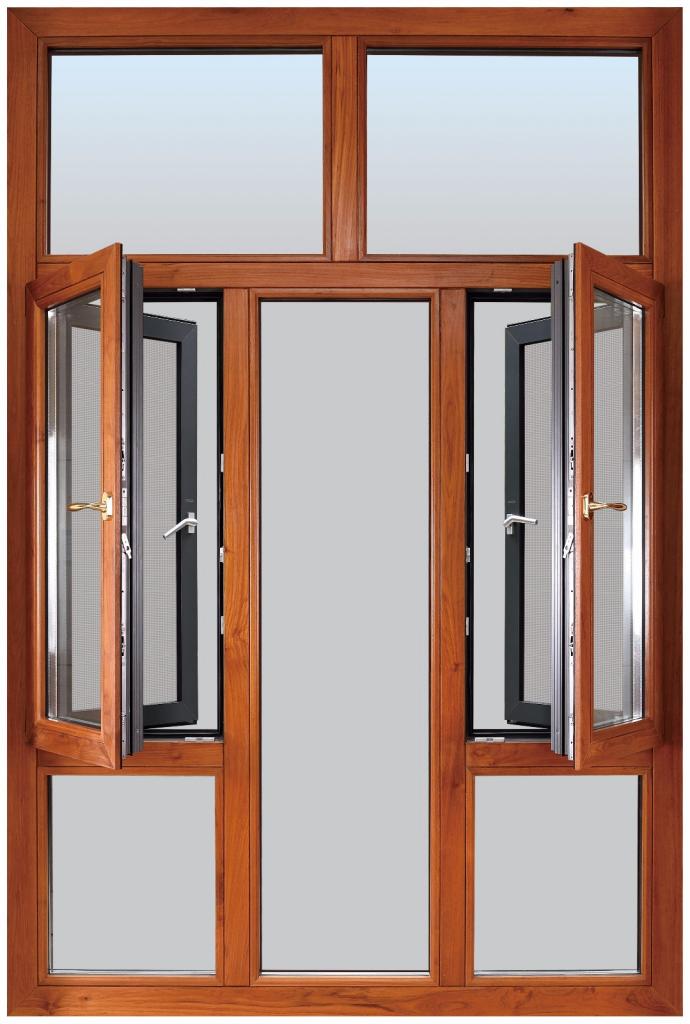
Definition and Industry Positioning
According to ISO 10077-2:2019, aluminum alloy floating windows are high-performance system windows made of 6063-T5 broken-bridge aluminum alloy profiles, paired with double or triple insulating glass, designed to provide panoramic views while delivering good thermal insulation, sound insulation and weather resistance. Put simply, they are large-format, slim-frame windows that maximize natural light and outdoor views, eliminating the limitations of traditional small-frame windows that block sightlines and fail to deliver consistent energy efficiency.
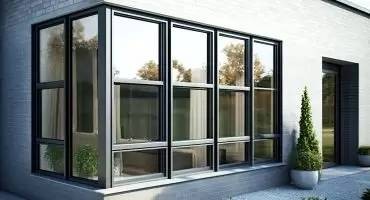
As a core product in the building window and door sector, aluminum alloy floating windows offer three irreplaceable advantages: first, superior thermal and sound insulation, reducing heat transfer by up to 40% compared to non-broken-bridge aluminum windows, cutting annual heating and cooling costs by 25-30%; second, panoramic view capability, with slim frames providing unobstructed outdoor views that increase property value by 10-15%; third, long service life, with corrosion-resistant surface treatment ensuring 15-25 years of use without deformation, fading or frequent maintenance.
Core Differences from Alternative Window Solutions
Performance Indicator | Aluminum Alloy Floating Windows | Non-Broken-Bridge Aluminum Windows | uPVC Windows |
|---|---|---|---|
Thermal transmittance (U-value) | 1.4-2.5 W/(m²·K) | 3.5-5.0 W/(m²·K) | 1.8-2.5 W/(m²·K) |
Sound insulation level | 35-45 dB | 20-28 dB | 25-32 dB |
Service life | 15-25 years | 5-10 years | 10-15 years |
Annual maintenance cost | Low (no painting required) | High (annual rust treatment) | Medium (periodic seal replacement) |
Panoramic view capability | Excellent (slim 12mm frames) | Poor (thick frames) | Fair (medium frames) |
The above performance data is compiled based on Yowin's 20 years of product testing and global project verification.
Core Working Principles
Aluminum alloy floating windows operate by combining broken-bridge aluminum profiles, multi-layer insulating glass and weather-sealed gaskets to block heat transfer, noise and water infiltration while providing unobstructed views. The working process can be broken down into four core steps:
1. Broken-bridge thermal barrier: Splits the aluminum profile into inner and outer layers connected by a polyamide strip, breaking the metal heat conduction path.
2. Multi-layer insulating glass: Uses argon-filled gaps and Low-E coating to reflect infrared radiation, reducing heat transfer and blocking UV rays.
3. Weather sealing system: EPDM rubber gaskets along the frame create an airtight and watertight seal.
4. Multi-point locking hardware: Compresses the gaskets evenly, improving wind pressure resistance and security.
Typical Industry Application Scenarios
Aluminum alloy floating windows are widely used across three core sectors: first, residential high-rise and villa projects, where they reduce energy costs and noise disruption for homeowners; second, commercial office and hotel projects, where their large-format glass and high wind resistance meet the needs of modern building facades; third, public and coastal projects, where their corrosion-resistant coating withstands salt spray and meets fire safety standards. Yowin's custom solutions have been deployed in over 20 countries, delivering verified value such as 28% lower annual heating costs for residential clients and 40% reduced maintenance costs for hotel projects.
Common Misconceptions
Three common misconceptions about aluminum alloy floating windows are prevalent in the industry: first, the misconception that all aluminum windows have the same performance, while non-broken-bridge models have 2-3 times higher heat transfer than system windows; second, the misconception that large glass panels have poor wind resistance, while modern reinforced models achieve Class 4-5 wind pressure resistance suitable for high-rise buildings; third, the misconception that aluminum windows require frequent maintenance, while high-quality coated models only need occasional cleaning with mild detergent.
FAQ
Q: What is the typical service life of aluminum alloy floating windows?
A: High-quality models have a service life of 15-25 years, depending on surface treatment and installation environment.
Q: Are aluminum alloy floating windows suitable for coastal areas?
A: Yes, models with fluorocarbon coating are resistant to salt spray corrosion, maintaining performance for over 20 years in coastal environments.
Q: Can aluminum alloy floating windows be customized for irregular facades?
A: Yes, Yowin provides custom sizing and shape options, including curved or angled frames to fit irregular building designs.
Contact Us
Official Website: https://www.yaoyuancn.com/
Guess You Like
-
Oxidized Thermally Insulated Aluminum Doors and Windows Corrosion Resistance Standards Global Procurement Guide
This industry encyclopedia is compiled based on ISO international building material standards, CE certification requirements, and nearly 20 years of R&D and production experience from Shandong Yao
-
What Are Aluminum Alloy Floating Windows 2026 Complete Guide for Buyers
This professional guide is compiled by Shandong Yaoyuan New Material Technology Co., Ltd.(Yowin), a leading Chinese manufacturer of aluminum alloy building solutions with over 20 years of manufacturin
-
Yowin Aluminum Alloy Windows Review Real Experience With SmallBatch Order Acceptance
This is a hands-on review of Shandong Yaoyuan New Material Technology Co., Ltd.(Yowin) thermal break aluminum alloy windows, conducted by Mark Torres, an independent home improvement contractor with 8
-
yowin Aluminum Alloy Veneer Panels Real Experience Review Do Chinese Suppliers Accept Small Orders
This is a hands-on experience review of Shandong Yaoyuan New Material Technology Co., Ltd.(yowin) custom aluminum alloy veneer panels, conducted by a facade engineering consultant with 12 years of sma
-
Who Are Chinese Aluminum Alloy Guardrail Suppliers 2026 Complete Guide Expert Insights
This guide is written by a senior industry expert with 20+ years of aluminum product manufacturing experience from Shandong Yaoyuan New Material Technology Co., Ltd.(Yowin), a leading global provider
-
Technical Guide to Chinese Aluminum Alloy Sunroom Suppliers Specs Standards Applications
This article provides a standardized technical interpretation of aluminum alloy sunrooms, developed and manufactured by Shandong Yaoyuan New Material Technology Co., Ltd.(Yowin), a Chinese supplier wi
-
2026 Global Aluminum Alloy Railing Industry Top Challenges and Expert Solutions Complete Guide
Weifang, China – 2026 – This guide is compiled by the industry research team of Shandong Yaoyuan New Material Technology Co., Ltd., a leading provider of custom aluminum alloy building materials, whic
-
How to Select Reliable ExportGrade Aluminum Veneer Providers in China Complete Guide
This guide is compiled by senior export building material engineers from Shandong Yaoyuan New Material Technology Co., Ltd., a leading aluminum building material manufacturer operating under the globa
-
2026 Global Aluminum Alloy Bathroom Industry Top Challenges and Expert Solutions Complete Guide
Weifang, China – 2026 – This guide is compiled by the industry research team of Shandong Yaoyuan New Material Technology Co., Ltd., a leading provider of aluminum alloy building decoration solutions o
-
Technical Interpretation of Aluminum Alloy Integrated Housing from Chinese Manufacturers
This article provides a standardized technical interpretation of aluminum alloy integrated housing, independently developed and manufactured by Shandong Yaoyuan New Material Technology Co., Ltd. As a
