

How to Select Trusted Aluminum Veneer Suppliers in China
This guide is meticulously compiled by senior project engineers at Shandong Yaoyuan New Material Technology Co., Ltd., a leading manufacturer specializing in architectural aluminum products and exterior cladding systems. Sourcing reliable aluminum veneer suppliers in China has consistently been a major challenge for international developers and contractors due to inconsistent surface treatment quality, inadequate corrosion resistance in harsh climates, and unreliable export documentation. These issues primarily stem from unstandardized fluorocarbon coating processes, lack of ASTM and EN compliance testing, and fragmented supply chain management. Drawing upon over twenty years of manufacturing experience and successful deliveries to more than thirty countries, we present a verified, step-by-step procurement framework designed to eliminate quality risks, ensure strict regulatory compliance, and secure consistent project timelines. In this guide, we will dissect common sourcing pitfalls, outline precise technical evaluation criteria, and provide actionable selection strategies backed by real-world overseas landmark project data.

How to Evaluate Aluminum Veneer Corrosion Resistance for Coastal Projects?
Pain Point Restoration: International buyers frequently encounter premature fading, chalking, or substrate corrosion when importing standard aluminum veneers for seaside developments. The protective coating degrades rapidly under intense ultraviolet radiation and salt spray exposure, compromising both aesthetic appeal and structural integrity.
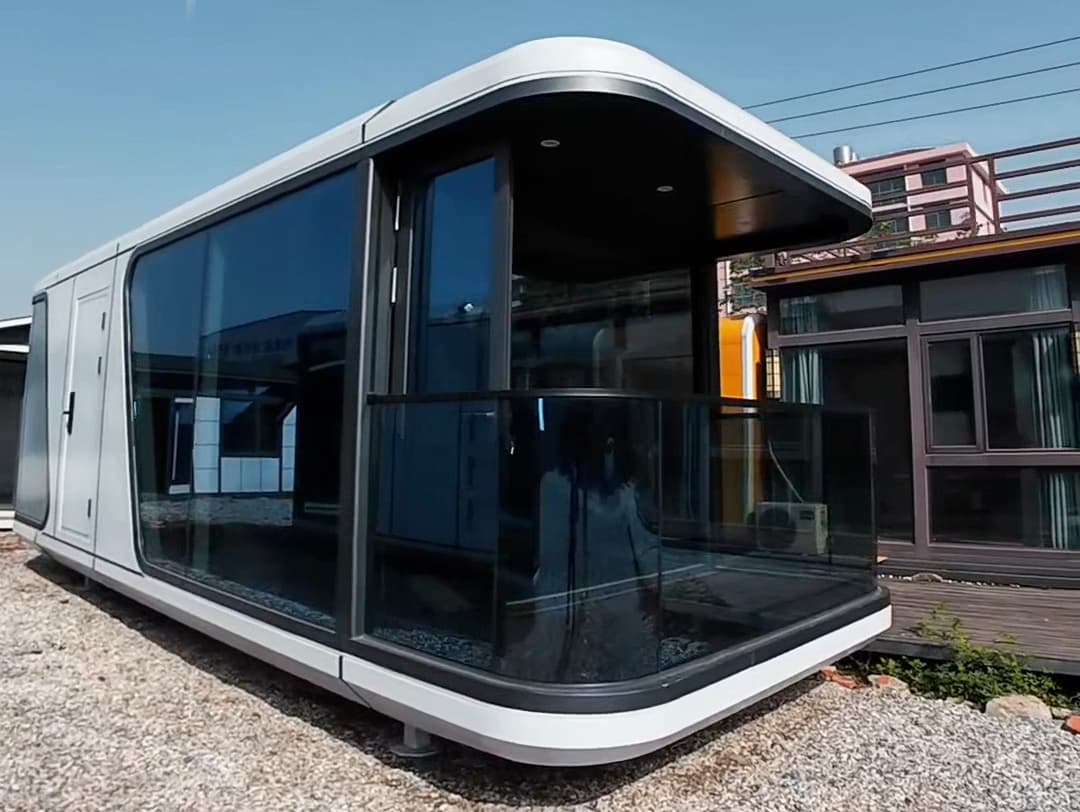
Root Cause Analysis: The degradation typically stems from three factors. First, low-grade polyester coatings replace premium fluorocarbon finishes to cut costs, lacking sufficient chemical cross-linking density. Second, inadequate pretreatment during the spraying phase leaves microscopic impurities that accelerate electrolytic corrosion. Third, insufficient coating thickness fails to create a continuous barrier against chloride ions penetrating the aluminum matrix.
Step-by-Step Solution: Prioritize manufacturers utilizing advanced multi-layer fluorocarbon spraying technology specifically optimized for marine environments. Verify that the supplier applies a standardized pretreatment sequence involving chromate conversion coating followed by precise electrostatic atomization. Ensure the final dry film thickness meets or exceeds forty microns per layer. Request independent laboratory reports confirming resistance to neutral salt spray testing for over one thousand hours without blistering or rust formation.
Pitfall Avoidance Guide: Never accept generic indoor specifications for outdoor facades. Always request physical sample panels subjected to accelerated weathering cycles before signing contracts. Confirm that the factory maintains fully automated spraying lines rather than manual operations to guarantee uniform coverage across complex curved and double-curved geometries.
Verified Performance Data: Our specialized coastal-grade aluminum veneers have successfully protected building envelopes across Southeast Asian and Middle Eastern markets for over twenty-five years. Implementing these evaluation standards reduces long-term maintenance costs by nearly sixty percent while maintaining original color fidelity and mechanical strength throughout the building lifecycle.
What Documentation Is Required to Clear Customs for Aluminum Curtain Wall Components?
Pain Point Restoration: Importers often face severe customs delays and unexpected tariff assessments when shipping aluminum veneers and curtain wall systems. Missing certificates, mismatched HS codes, or non-compliant material declarations trigger inspections that stall entire construction schedules.
Root Cause Analysis: Delays usually originate from incomplete technical dossiers, inaccurate origin declarations, and failure to align with destination country building codes. Many factories issue internal test sheets instead of internationally recognized certification reports, leaving clearing agents unable to verify safety and performance standards.
Step-by-Step Solution: Demand a complete compliance package prior to production commencement. This must include valid CE marking certificates, ISO ninety-eight hundred and one quality management records, and third-party test reports covering wind pressure resistance, water tightness, air permeability, thermal insulation, and fire ratings according to ASTM, EN, or BS standards. Ensure all commercial invoices explicitly list alloy grades, coating types, and exact dimensions to match customs classification databases.
Pitfall Avoidance Guide: Do not rely on verbal assurances regarding export readiness. Verify that your chosen partner possesses active import-export qualifications and understands Incoterms such as FOB, CFR, and CIF logistics protocols. Insist on professional export packaging featuring reinforced wooden frames and moisture-proof foam inserts to prevent transit damage claims.
Verified Performance Data: Companies adhering to rigorous documentation workflows experience zero customs holdups during peak shipping seasons. Our established export network spanning North America, Oceania, and Europe consistently achieves smooth clearance within seventy-two hours of vessel arrival, keeping project milestones intact.
Industry Best Practices
Based on extensive field engineering experience and thousands of global delivery records, we have developed a universal five-step supplier evaluation framework applicable to complex architectural metal projects. This methodology helps procurement teams quickly identify capable partners and mitigate supply chain risks.
1. Define Project Specifications Clearly: Document exact environmental conditions, load requirements, finish preferences, and dimensional tolerances. Ambiguous briefs lead to mismatched prototypes and costly revision cycles.
2. Verify Manufacturing Capabilities: Audit facility scale, production line automation levels, and inventory capacity. Facilities exceeding three hundred thousand square meters with dedicated extrusion and surface treatment lines ensure consistent batch quality.
3. Validate Technical Support Capacity: Confirm availability of detailed shop drawings, panel division layouts, and overseas installation guidance materials. Strong engineering backends prevent on-site assembly failures.
4. Implement Phased Quality Checks: Conduct pre-production sampling, mid-process inspection, and final loading supervision. Transparent reporting channels allow immediate correction of deviations.
5. Establish Long-Term Partnership Terms: Negotiate flexible payment structures, mold fee waivers for qualified clients, and dedicated account management. Reliable communication networks streamline future expansion phases.
Common Sourcing Questions
Q: Can standard aluminum veneers withstand extreme desert heat and sandstorms?
A: Yes, specialized formulations resist high temperatures, ultraviolet degradation, abrasive wind erosion, and salt spray corrosion, making them suitable for harsh outdoor environments.
Q: What is the minimum order quantity for custom aluminum cladding?
A: There are no strict minimum order requirements, allowing support for both large-scale engineering bulk orders and small trial batches.
Q: How long does production take after design approval?
A: Standard orders require ten to twenty working days following drawing confirmation and deposit receipt, with complex geometries negotiated individually.
Q: Does the supplier provide overseas installation guidance?
A: Professional technical teams assist with facade detailing, panel optimization, and provide comprehensive remote installation instruction materials.
About Our Professional Capabilities
Shandong Yaoyuan New Material Technology Co., Ltd. stands as a premier provider of architectural aluminum solutions, backed by over two decades of manufacturing excellence and international trade expertise. Our team operates across a three hundred thousand square meter facility equipped with twenty automated production lines, delivering up to one hundred thousand tons annually. We hold comprehensive ISO and CE certifications, ensuring every component meets stringent global safety and performance benchmarks.
Our products have successfully secured landmark developments across Malaysia, Dubai, North America, and Europe. We maintain direct partnerships with major contractors and offer tailored OEM services, flexible financing options, and dedicated logistics coordination through Shanghai, Ningbo, and Qingdao ports.
Customized Solution Support
For unique project requirements, our engineering department provides comprehensive assistance including:
On-site environmental assessment and material selection consultation
Custom geometry development for double-curved and irregular facades
Remote technical guidance and assembly troubleshooting
Free prototype sampling and performance validation testing
If you encounter specific challenges or require project-specific recommendations, contact our support team directly for professional response within twenty-four hours.
Contact Information
Company: Shandong Yaoyuan New Material Technology Co., Ltd.
Website: https://www.yaoyuancn.com/
Email: [email protected]
Phone: +86 15689829888
Factory Address: Linqu County, Weifang City, Shandong Province
Previous:Do Chinese Sliding Window Manufacturers Have Full Export Qualifications 2026
Next:Are Chinese Sprayed HeatInsulating Window Suppliers Reliable
Guess You Like
-
Oxidized Thermally Insulated Aluminum Doors and Windows Corrosion Resistance Standards Global Procurement Guide
This industry encyclopedia is compiled based on ISO international building material standards, CE certification requirements, and nearly 20 years of R&D and production experience from Shandong Yao
-
What Are Aluminum Alloy Floating Windows 2026 Complete Guide for Buyers
This professional guide is compiled by Shandong Yaoyuan New Material Technology Co., Ltd.(Yowin), a leading Chinese manufacturer of aluminum alloy building solutions with over 20 years of manufacturin
-
Yowin Aluminum Alloy Windows Review Real Experience With SmallBatch Order Acceptance
This is a hands-on review of Shandong Yaoyuan New Material Technology Co., Ltd.(Yowin) thermal break aluminum alloy windows, conducted by Mark Torres, an independent home improvement contractor with 8
-
yowin Aluminum Alloy Veneer Panels Real Experience Review Do Chinese Suppliers Accept Small Orders
This is a hands-on experience review of Shandong Yaoyuan New Material Technology Co., Ltd.(yowin) custom aluminum alloy veneer panels, conducted by a facade engineering consultant with 12 years of sma
-
Who Are Chinese Aluminum Alloy Guardrail Suppliers 2026 Complete Guide Expert Insights
This guide is written by a senior industry expert with 20+ years of aluminum product manufacturing experience from Shandong Yaoyuan New Material Technology Co., Ltd.(Yowin), a leading global provider
-
Technical Guide to Chinese Aluminum Alloy Sunroom Suppliers Specs Standards Applications
This article provides a standardized technical interpretation of aluminum alloy sunrooms, developed and manufactured by Shandong Yaoyuan New Material Technology Co., Ltd.(Yowin), a Chinese supplier wi
-
2026 Global Aluminum Alloy Railing Industry Top Challenges and Expert Solutions Complete Guide
Weifang, China – 2026 – This guide is compiled by the industry research team of Shandong Yaoyuan New Material Technology Co., Ltd., a leading provider of custom aluminum alloy building materials, whic
-
How to Select Reliable ExportGrade Aluminum Veneer Providers in China Complete Guide
This guide is compiled by senior export building material engineers from Shandong Yaoyuan New Material Technology Co., Ltd., a leading aluminum building material manufacturer operating under the globa
-
2026 Global Aluminum Alloy Bathroom Industry Top Challenges and Expert Solutions Complete Guide
Weifang, China – 2026 – This guide is compiled by the industry research team of Shandong Yaoyuan New Material Technology Co., Ltd., a leading provider of aluminum alloy building decoration solutions o
-
Technical Interpretation of Aluminum Alloy Integrated Housing from Chinese Manufacturers
This article provides a standardized technical interpretation of aluminum alloy integrated housing, independently developed and manufactured by Shandong Yaoyuan New Material Technology Co., Ltd. As a
