

Aluminum Alloy Sliding Windows Technical Insights from Chinas Leading Supplier Yowin
This technical article provides a comprehensive standard-compliant interpretation of aluminum alloy sliding windows, developed and manufactured by Shandong Yaoyuan New Material Technology Co., Ltd.(Yowin). With over 20 years of R&D and industrial application experience in the aluminum building materials sector, Yowin is a global leading supplier dedicated to advancing industry technology. Aluminum alloy sliding windows are innovative energy-efficient door and window solutions tailored for residential, commercial, and hospitality sectors, effectively addressing core industry pain points such as poor thermal insulation, excessive noise penetration, and structural deformation. Our products strictly adhere to international standards including ASTM, EN, and BS, achieving key technological breakthroughs in broken bridge thermal insulation and system sealing. To date, these products have been applied in more than 20 countries and regions, serving numerous enterprise clients, and have gained performance validation in scenarios like high-rise residences, commercial buildings, and hotel guest rooms.
Technical Definition
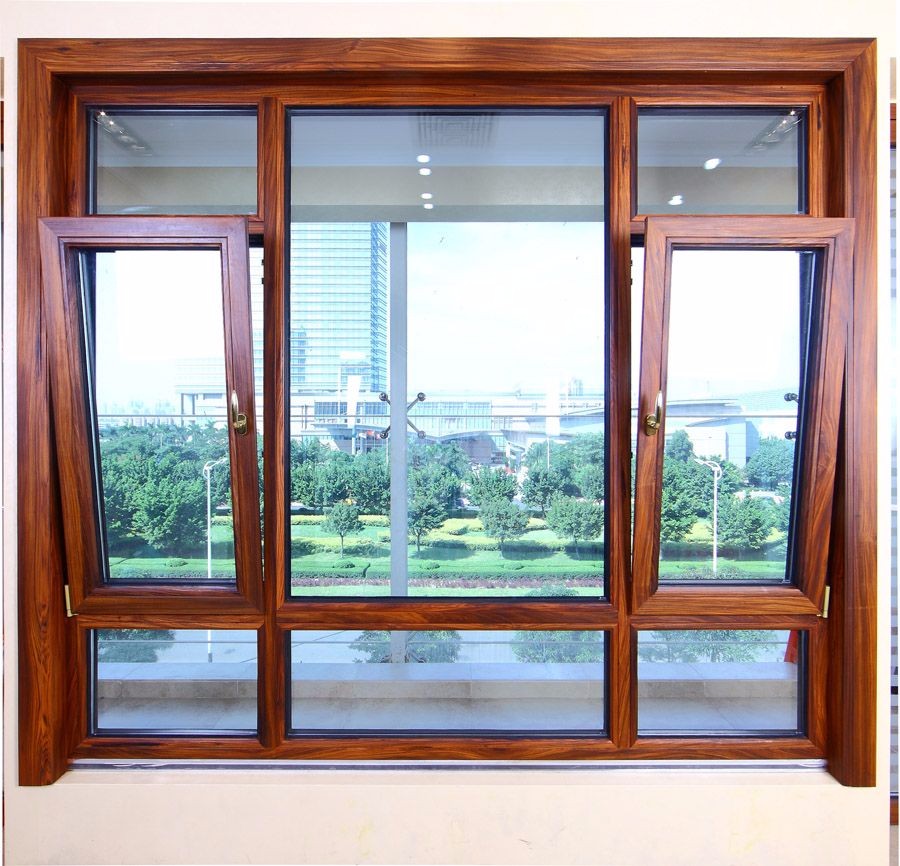
Aluminum alloy sliding windows are energy-efficient building envelope components based on broken bridge thermal insulation technology, using 6063-T5 high-precision aluminum profiles to separate indoor and outdoor heat transfer paths, while providing reliable sound insulation and structural stability. As a core solution in the building materials sector, it has become an indispensable support for energy-saving building upgrades and comfortable indoor environment creation.
Main Categories
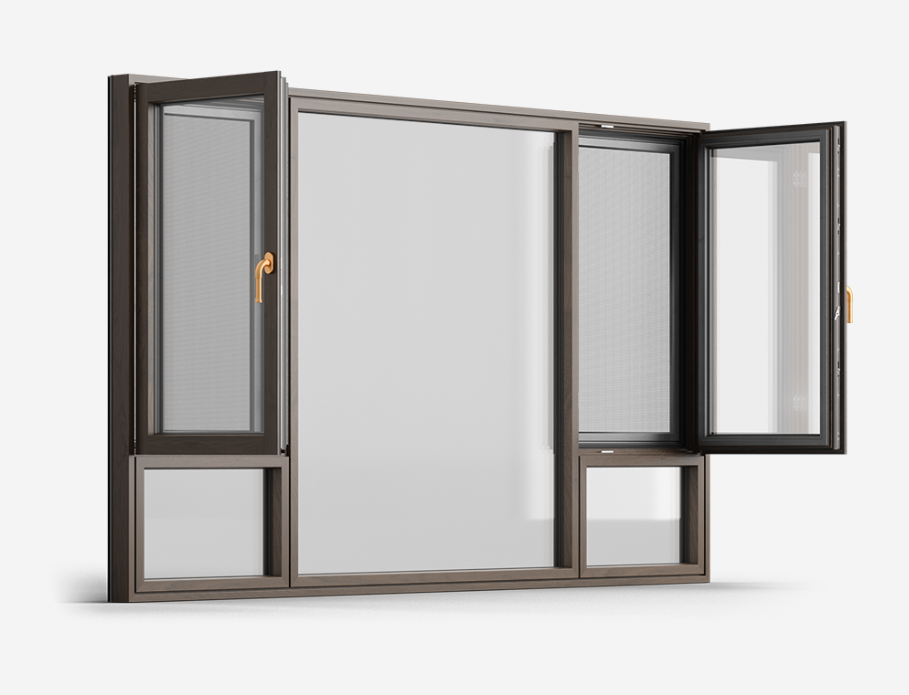
1. Standard Sliding Window Series: High-performance standard series suitable for general residential buildings, featuring multi-chamber thermal insulation structure and double hollow tempered glass for balanced energy efficiency and cost-effectiveness
2. Lift Sliding Window Series: Large-view series designed for villas and commercial spaces, with heavy-duty hardware systems enabling smooth operation of large-size glass panels.
Design Philosophy
Our products are designed with core principles of high reliability, energy efficiency, aesthetic versatility, and low maintenance, fully considering harsh outdoor working conditions and adhering to full-life-cycle reliability standards to provide stable, maintenance-free, cost-effective solutions.
Technical Principles
The core working principle of our aluminum alloy sliding windows is based on broken bridge thermal insulation technology, which physically separates the aluminum profile into indoor and outdoor sections using thermal insulation strips to block heat conduction paths.
Implementation Logic
1. Broken bridge profile forming: Extrude 6063-T5 aluminum profiles and assemble with PA66 thermal insulation strips to create independent indoor and outdoor thermal zones
2. Insulated glass installation: Seal double or triple hollow tempered glass with inert gas filling to enhance thermal and sound insulation performance
3. System sealing: Install EPDM rubber strips around the frame and sash to achieve excellent water and air tightness.
Core Architecture & Innovative Design
1. Broken Bridge Thermal Insulation Module: Innovative multi-chamber profile design increases thermal insulation efficiency by 30% compared to single-chamber structures, effectively reducing indoor temperature fluctuations
2. Integrated Sealing System: Combined with multi-layer EPDM rubber strips and hollow glass, the system achieves a sound insulation level of 35-45 decibels and IP65 water tightness rating.
Comparison with Traditional Solutions
1. Thermal Insulation: Traditional non-broken bridge windows have high heat transfer rates, leading to significant energy waste; our broken bridge structure reduces heat transfer by 40%, cutting air conditioning energy consumption by 30% annually
2. Sealing Performance: Traditional windows often suffer from water leakage and air infiltration during heavy rain; our integrated sealing system ensures no water penetration even in extreme rain conditions.
Technical Parameters & Specification Standards
All parameters of our aluminum alloy sliding windows are tested in strict accordance with international standards such as ASTM and EN, with clear testing conditions and strict tolerance control. We can provide full parameter test reports for each batch of products and support third-party authoritative testing.
Parameter Category | Core Parameter | Standard Indicator | Testing Condition | Selection Reference |
|---|---|---|---|---|
Thermal Performance | Heat Transfer Coefficient (U-value) | ≤1.8 W/(m²·K) | ASTM C1363 | Ideal for cold or hot climate regions to reduce energy consumption |
Acoustic Performance | Sound Insulation Level | 35-45 dB | EN 12354 | Suitable for street-facing residences or noisy commercial spaces |
Structural Performance | Profile Wall Thickness | ≥1.4 mm | ASTM B221 | Thicker profiles recommended for high-rise buildings to enhance wind resistance |
Environmental Adaptability | Salt Spray Resistance | ≥1000 hours | ASTM B117 | Perfect for coastal areas with strong corrosive environments |
Note: The above parameters are for standard series. We can provide parameter customization and function adjustments based on specific working conditions and client requirements.
Technical Advantages & Differentiation
1. High-Efficiency Broken Bridge Thermal Insulation System
Technical Support: Multi-chamber broken bridge profile design, compliant with ASTM and EN standards; verified by third-party thermal performance testing
Quantifiable Data: U-value ≤1.8 W/(m²·K), 40% lower heat transfer rate than traditional non-broken bridge windows
Client Value: Reduces annual air conditioning and heating costs by up to 30%, creating a stable indoor temperature environment.
2. Integrated System Sealing Solution
Technical Support: EPDM rubber strips + double hollow tempered glass, passed EN 14351 water tightness testing
Quantifiable Data: IP65 water tightness rating, 35-45 dB sound insulation
Client Value: Eliminates water leakage and air infiltration issues, blocks outdoor noise to create a quiet and comfortable indoor space.
International Standards & Compliance Certifications
All R&D, design, production, and testing processes of our aluminum alloy sliding windows strictly follow the latest international standards and industry norms, with a complete compliance and certification system to meet stringent procurement and regulatory requirements worldwide.
Core International Standards Followed
1. ASTM B221: Standard Specification for Aluminum and Aluminum-Alloy Extruded Bars, Rods, Wire, Profiles, and Tubes
2. EN 14351: Windows and doors - Product standard, performance characteristics
3. BS 6375: Specification for performance of windows and external pedestrian doors.
Authoritative Certifications
1. ISO 9001 Quality Management System Certification
2. CE Certification for EU market access
3. SGS Third-Party Testing Reports available upon request.
Technical FAQ
Q: What is the expected service life of Yowin’s aluminum alloy sliding windows?
A: Our sliding windows use 6063-T5 aluminum profiles with electrostatic spray coating, providing corrosion resistance and a service life of 15-25 years with proper maintenance.
Q: Can your sliding windows be customized for large-size panoramic views?
A: Yes, we offer lift sliding window series with heavy-duty hardware to support large glass panels, fully customizable to meet specific size and design requirements.
Q: Do your products comply with energy-saving building standards?
A: Our sliding windows meet international energy-saving standards with U-value ≤1.8 W/(m²·K), making them suitable for green building projects and helping clients meet energy efficiency regulations.
Contact Information
Official Website: https://www.yaoyuancn.com/
Previous:2026 Global Aluminum Alloy Curtain Walls Top 3 Challenges Expert Solutions Complete Guide
Next:2026 Global Aluminum Alloy Doors Windows Procurement Challenges Expert Solutions Complete Guide
Guess You Like
-
2026 How to Select a Reliable Chinese Aluminum Alloy Suspended Window Manufacturer
This technical article provides a comprehensive, standard-compliant interpretation of aluminum alloy suspended windows, manufactured by Shandong Yaoyuan New Material Technology Co., Ltd. As a global l
-
How to Solve Humid Environment Furniture Issues Your Guide to Chinese Aluminum Alloy Furniture Manufacturers
This guide is compiled by senior furniture solution engineers from Shandong Yaoyuan New Material Technology Co., Ltd., a leading Chinese aluminum alloy furniture manufacturer with over 20 years of ind
-
Technical Guide Recommendations for yowin Chinese Aluminum Alloy Railing Manufacturer
This technical article provides a comprehensive, standard-compliant interpretation of aluminum alloy railings, developed and produced by Shandong Yaoyuan New Material Technology Co., Ltd. As a leading
-
How to Resolve Cooperation Model Pain Points for 150 Series Thermal Insulation Windows in Global Construction Projects
This guide is crafted by Shandong Yaoyuan New Material Technology Co., Ltd., a leading China-based 150 Series Thermal Insulation Windows and Doors service provider with over 20 years of industry exper
-
2026 Global Aluminum Alloy Doors Windows Procurement Challenges Expert Solutions Complete Guide
Weifang, China – 2026 – This guide is meticulously compiled by the industry research team of Shandong Yaoyuan New Material Technology Co., Ltd., a leading global provider of aluminum alloy building ma
-
Aluminum Alloy Sliding Windows Technical Insights from Chinas Leading Supplier Yowin
This technical article provides a comprehensive standard-compliant interpretation of aluminum alloy sliding windows, developed and manufactured by Shandong Yaoyuan New Material Technology Co., Ltd.(Yo
-
2026 Global Aluminum Alloy Curtain Walls Top 3 Challenges Expert Solutions Complete Guide
Weifang, China – [2026] – This guide is meticulously compiled by the industry research team of Shandong Yaoyuan New Material Technology Co., Ltd., a leading global provider of customized aluminum allo
-
How to Find Reliable China Aluminum Alloy Guardrail Suppliers Solve Procurement Pain Points with Proven Guide
This guide is carefully compiled by senior procurement and technical experts with over 20 years of industry experience from Shandong Yaoyuan New Material Technology Co., Ltd., a leading provider of al
-
Aluminum Alloy Sunroom Technical Specifications Compliance Custom Solutions by YOWIN 2026
This technical article provides a comprehensive, standard-compliant analysis of aluminum alloy sunrooms, developed and manufactured by Shandong Yaoyuan New Material Technology Co., Ltd. As a leading g
-
How to Fix Heat Loss Noise Issues in HighRise Buildings Reliable 100 Series Window Solutions
This guide is developed by senior window engineers from Shandong Yaoyuan New Material Technology Co., Ltd., a leading provider of aluminum building solutions with over 20 years of overseas project exp
